
A Gold Coast Residence with Palmer & Maher Lineage—Now Offered at 1260 N. Astor #7
What Luxury Used to Mean in the Gold Coast—Now Available
Word Count: ~920 words | Read Time: 4 minutes
This residence hasn’t been available in forty years. And that matters.
Some residences carry more than square footage. They carry history—specific, traceable, and tied directly to the people who shaped Chicago itself.
This is one of those homes.
And it is now available.
Chicago’s Gold Coast didn’t become what it is by accident.
It was built—intentionally—by figures like Potter Palmer, whose move to the lakefront after the Great Fire established this neighborhood as one of the city’s most enduring addresses.
That decision didn’t just create a location. It created a standard. That same lineage connects here.
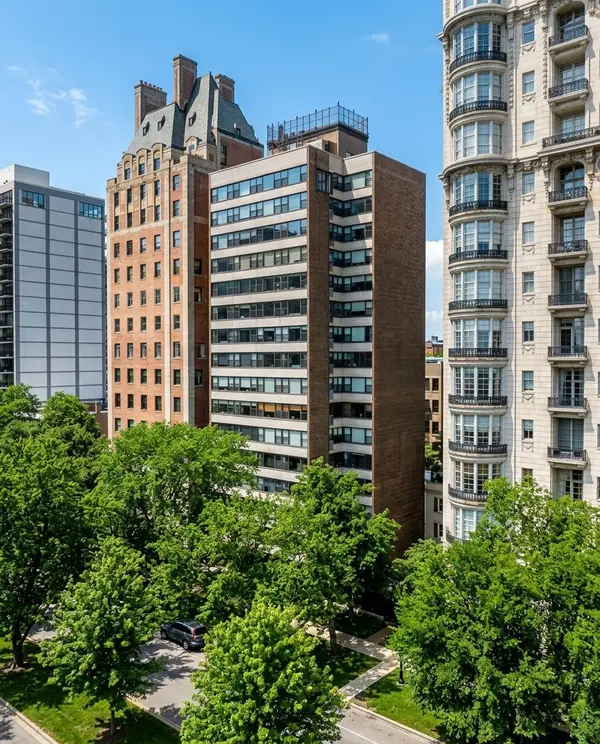
1260 North Astor sits within that original framework of Gold Coast development, where architecture, ownership, and social structure of the time were designed to last.
And within that story sits another important name:
George Maher.
An architect known for designing residences grounded in proportion, craftsmanship, and permanence, Maher’s influence helped define what elevated residential living looked like in Chicago at the time.
Not trend-driven. Not temporary. Built to hold its place.
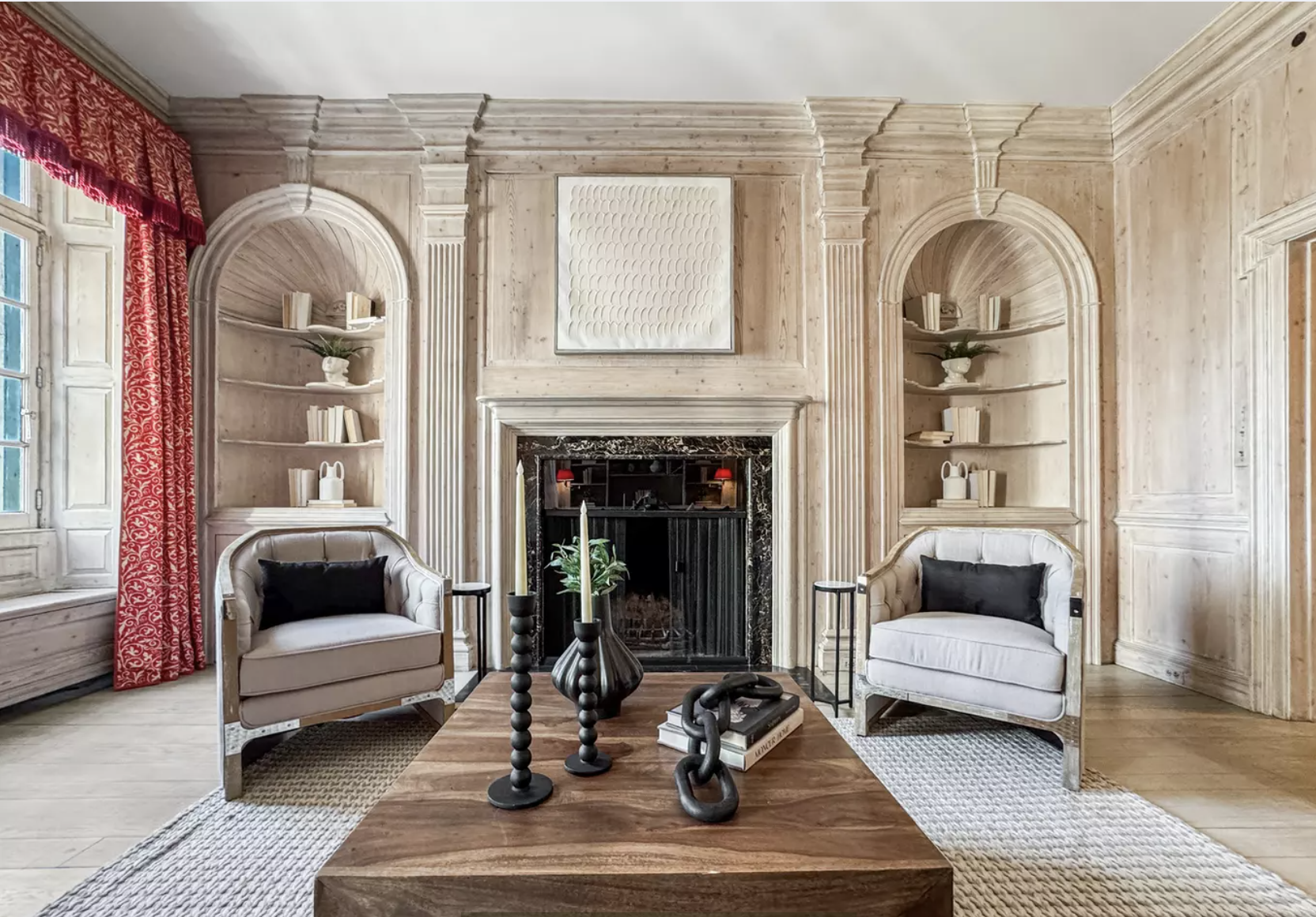
David Adler-designed library featuring light-pickled Canadian spruce paneling and a concealed passage to the living room.
A Residence with Provenance
Available for the first time in forty years, this Gold Coast cooperative offers a level of scale, privacy, and architectural significance that is increasingly difficult to find.
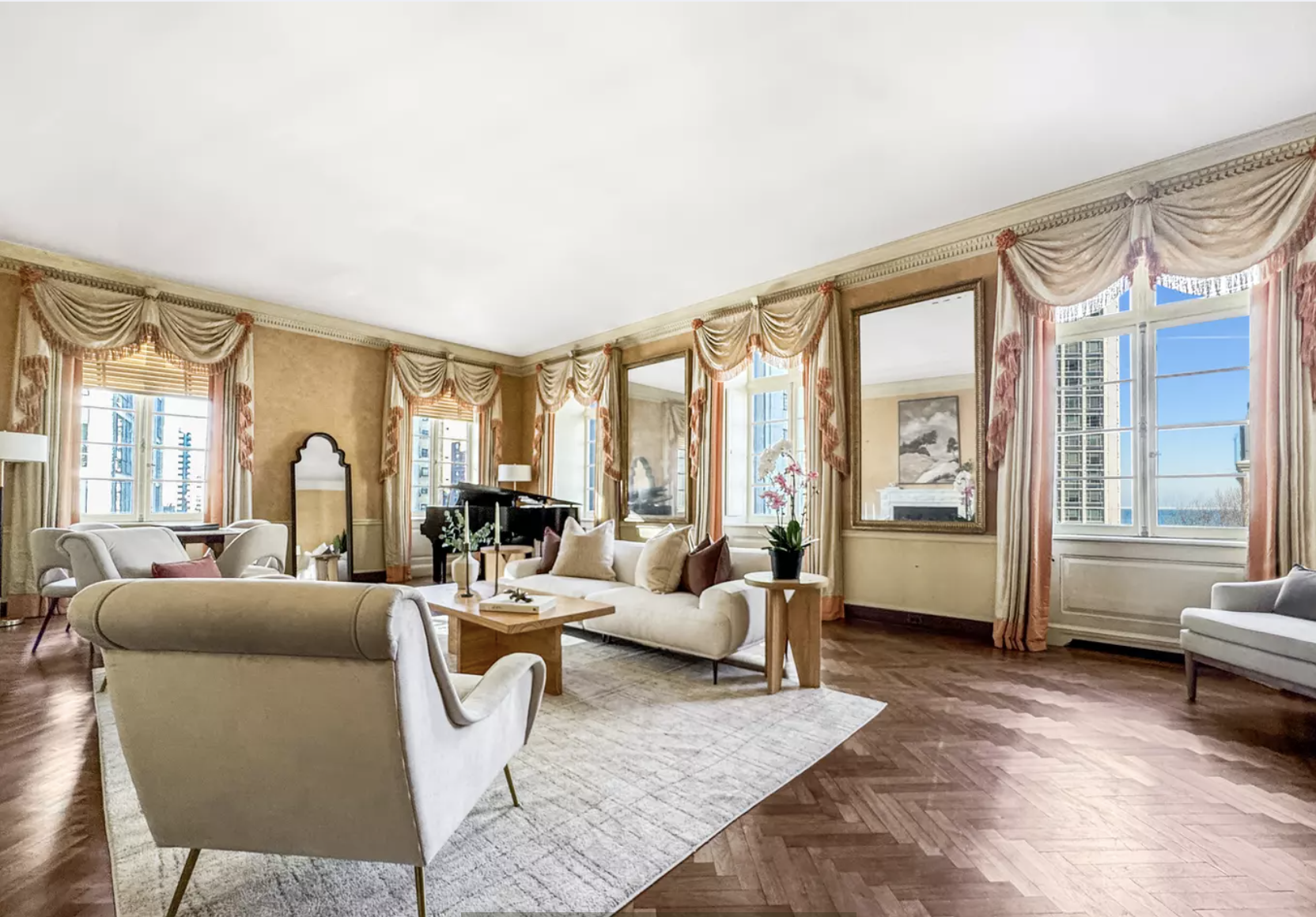
At approximately 4,500 square feet, with 10.5-foot ceilings and expansive proportions, the residence lives more like a single-family home—set within a full-service building.
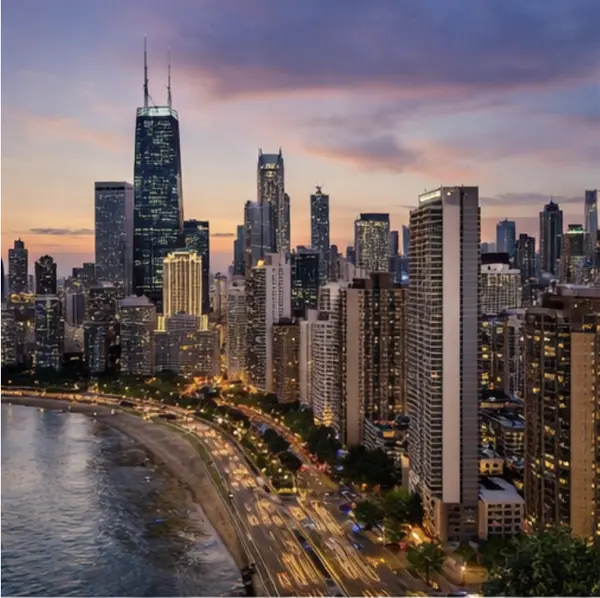
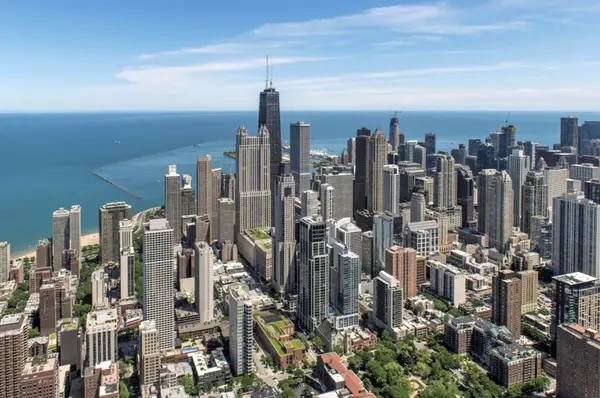
Open views extend across Goudy Park, Lake Michigan, and the Chicago skyline, reinforcing both its position and presence within the neighborhood.
The ownership history is equally notable.
Originally held by the building’s architect, Philip Maher, the residence was later acquired by Potter Palmer II as a wedding gift for his son, embedding it directly within the lineage that helped define the Gold Coast itself. Over time, the home has been thoughtfully enhanced, most recently with interiors by Colfax & Fowler, blending historic character with a refined, livable sensibility.
Original details remain beautifully intact:
Refined moldings.
Paneled walls.
Herringbone floors.
Two fireplaces.
A standout moment within the home is the library—attributed to David Adler—featuring light-pickled Canadian spruce paneling and a concealed passage to the living room. Adler’s influence continues into the primary suite, where imported Versailles parquet flooring and tailored bath finishes create a sense of quiet, enduring luxury. That philosophy still lives throughout the residence.
The scale.
The flow.
You get the sense that the home was designed for living—not staging, and this is not a floor plan created to impress in a single showing.
It reveals itself over time.
The cooperative structure reinforces that same thinking.
This is not a high-turnover building.
Not driven by short-term ownership cycles.
It’s a model built around continuity—where decisions are made with the long view in mind, and where the integrity of the building is part of the ownership experience.
Informed buyers of cooperative apartments understand how a building operates for their lifestyle.
The monthly assessment. At $10,350 per month, it’s often viewed at face value—and almost always misunderstood.
In a cooperative, this figure is all-inclusive, and property taxes are included.
Along with the operation and long-term stewardship of the building:
Staffing.
Maintenance.
Capital reserves.
Ongoing care of a significant residence.
This isn’t structured to mirror newer condominium buildings—and it’s not meant to. It reflects a different ownership model—one built around stability, service, and preservation over time.
It’s not higher—it’s structured differently. In today’s market, buyers often focus on the number. Experienced buyers understand what’s inside it.
And that’s what makes this offering stand out today.
At a time when much of the market is built around speed—quick decisions, quick turnover, quick impressions—this residence represents something else:
Stability. Provenance.
And scale that is increasingly difficult to find in the Gold Coast at this level.
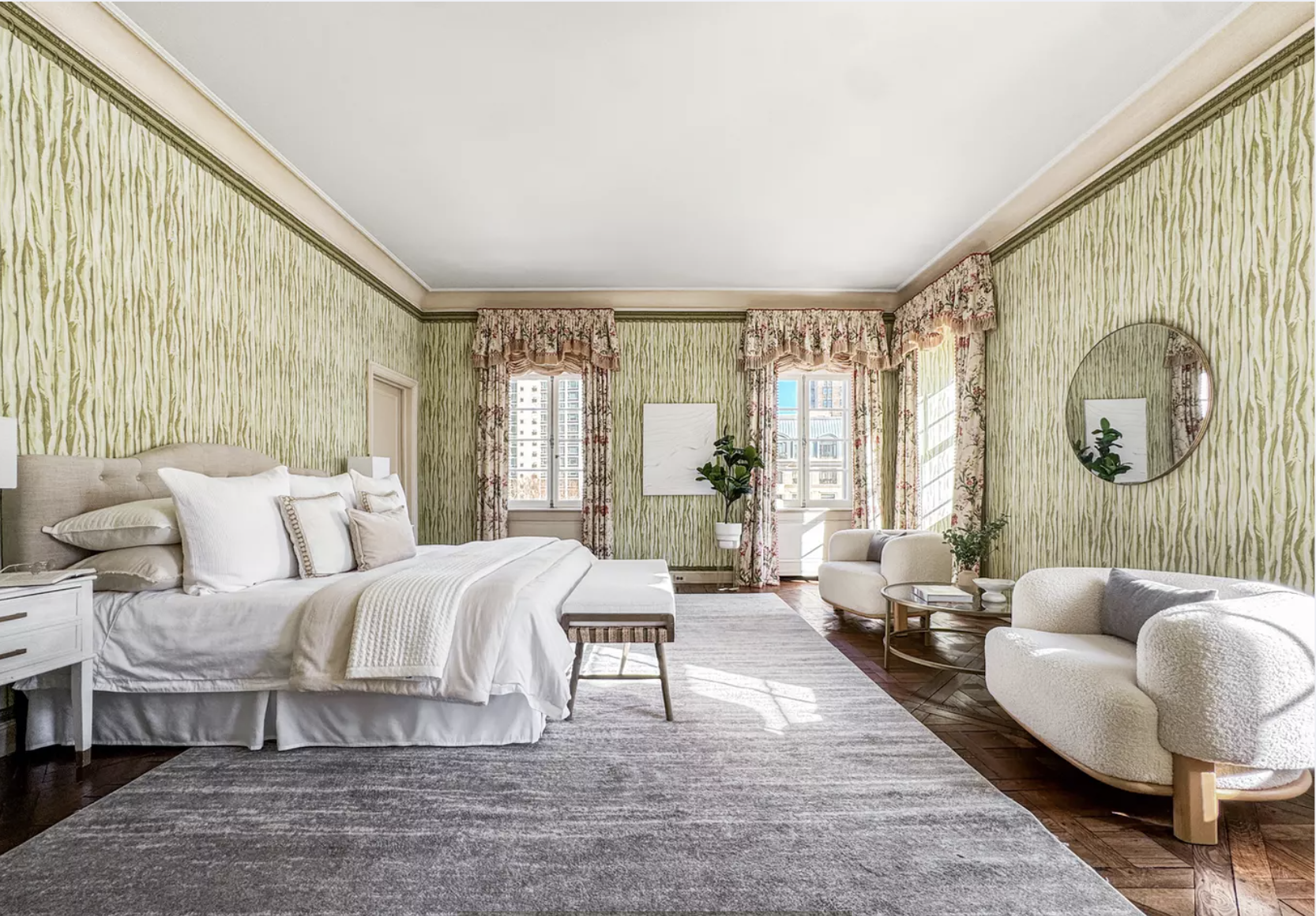
Primary suite featuring imported Versailles parquet flooring
Now Offered | 1260 N. Astor Street #7
- 5 Bedrooms
- 5 Baths
- Approx. 4,500 Sq Ft
- Monthly HOA: $10,350 (includes property taxes)
- Offered at $1,575,000
For buyers who understand the distinction—not just in architecture, but in how a building is meant to operate—this is a rare opportunity to step into a residence connected to the original framework of Chicago luxury.
“In the Gold Coast, a residence like this isn’t just owned—it’s recognized.”
Final Thought
In this part of the Gold Coast, real estate has always been more than a place to live.
It’s a reflection of where you stand within the city. Some homes enter the market. Others reappear—with a story already in place.
This is the latter.
— Craig Hogan & Rudy Zavala
Hogan Zavala Group | Engel & Völkers Chicago
Details on the top 10 markets in Chicago are just a click away!
1260 North Astor #7 is available through our Engel & Volkers Chicago Shop and Jenny Ames with Ames Group Chicago.
Categories
- All Blogs (129)
- Adaptive Reuse (2)
- Architecturally Significant (23)
- Architecture (59)
- Art (2)
- Art Collecting (2)
- Bespoke Lighting (2)
- Buena Park (1)
- buyer strategy (29)
- Career Moves (9)
- chandeliers, (1)
- Chicago HOA Fees (7)
- Chicago Luxury Real Estate (94)
- Chicago Property Taxes (4)
- closet design (2)
- Co-Ownership (4)
- Coffee (1)
- Condo Assessments (7)
- coop apartments (5)
- cooperative apartments (8)
- custom closet advice (1)
- Days on Market (16)
- Design (51)
- Fulton Market District (8)
- Gold Coast (24)
- Golden Visa Programs (10)
- Historic Homes (8)
- Hogan Zavala Group (60)
- Holiday Abroad (1)
- International Citizenship (15)
- International Real Estate (31)
- Kitchen Design (13)
- Lakeview (14)
- Legacy (3)
- LGBTQ Housing (3)
- LGBTQ+ (5)
- Lifestyle (78)
- Lighting (2)
- Lincoln Park (14)
- Loft Living (5)
- Lofts (5)
- Logan Square (4)
- loneliness & aging (3)
- Loop (2)
- Luxury Market Index (4)
- Marina Towers (4)
- Market Insights (17)
- Market Update (36)
- Mid Century (2)
- New East Side (1)
- Outdoors (5)
- Pacaso Vacation Homes (3)
- pied-à-terre (14)
- Puerto Vallarta (7)
- Puerto Vallarta Real Estate (9)
- Real Estate Agents Success (11)
- Real Estate Industry (30)
- Real Estate Legal Changes (5)
- Real Estate Transactions (7)
- ritual (3)
- River North (20)
- River West (14)
- Second Homes (8)
- Seller Strategy (28)
- Selling and Buying in Chicago (34)
- Senior Housing (3)
- Streeterville (14)
- Summer (7)
- Sustainability (7)
- Taxes (5)
- Thanksgiving Travel (1)
- The 606 (1)
- The Henrys (1)
- Travel (1)
- Trends (29)
- Trifecta (16)
- Uptown (2)
- video (1)
- video for real estate (2)
- Wellness (9)
- West Loop (9)
- Wheaton (1)
- Wicker Park | Bucktown (4)
- Wines for Summer (2)
Recent Posts


Craig Hogan | Rudy Zavala