
The Real Math on Mid-Century & Vintage Condominium Living
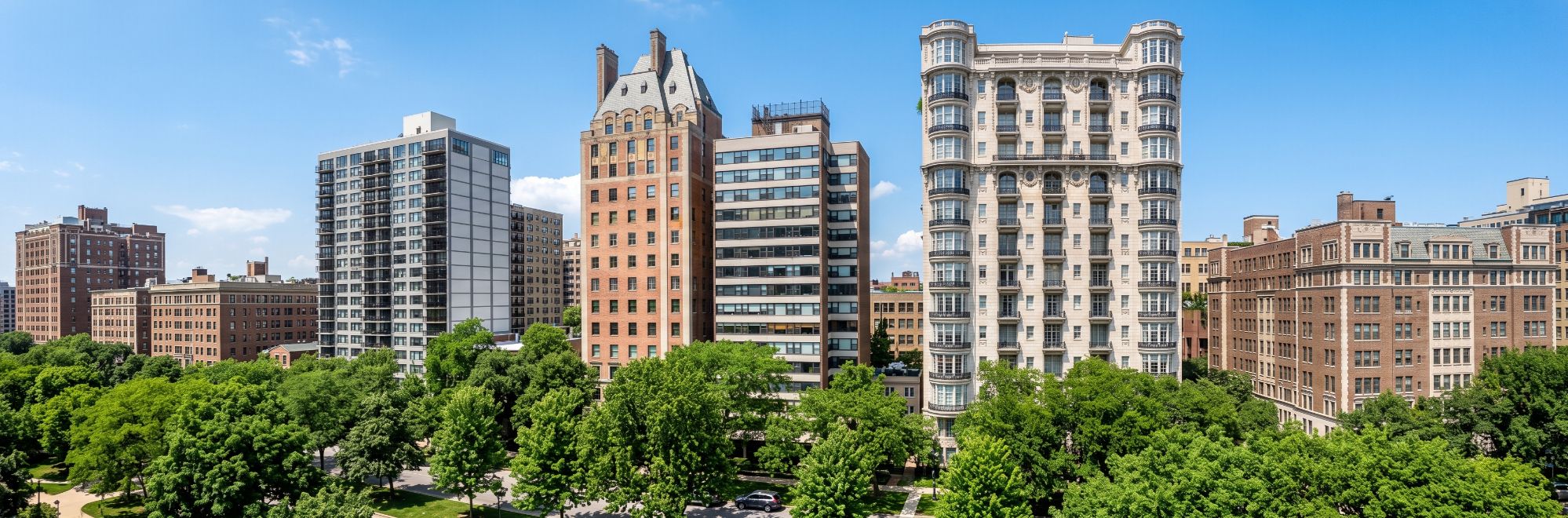
Why Sensational Headlines Miss the Mark, and How Real Buyers Weigh Carrying Costs Against Architectural Soul.
Total Word Count: 662 words | Estimated Read Time: 2 minutes, 45 seconds
National headlines are beating a familiar, sensational drum: "buyers across the country are walking away from older condos as median annual HOA assessments cross the national average." It's a conversation that's spot-on, and the time has come for it. However, this type of math doesn't work. A national average is not even possible to calculate. On paper, it looks like a crisis. Stricter underwriting, ballooning master insurance premiums, and decades of deferred maintenance are catching up to legacy buildings all at once.
If you read the broader commentary, you might think the market for legacy high-rises is collapsing under its own weight. But if you actually sit in the lobbies along Lake Shore Drive, State Parkway, or Michigan Avenue, you know that headlines capture the panic while missing the precision.
The issue isn't uniform across every older property. The real pressure point sitting squarely at the center of this conversation—and right here in Chicago—is our mid-century and vintage inventory.
The glass, steel, and masonry towers built throughout the 20th century defined modern urban living. They offered scale, floor-to-ceiling vistas, and locations that can never be replicated. But these structures are hitting a specific architectural crossroads: 50-year-old curtain walls, aging mechanical risers, elevator modernizations, and masonry facade repairs are all arriving on the ledger at the same moment.
Buying a home can’t—and in my view, never will—be just an exercise in math.
The reality on the ground in Chicago isn't that buyers are abandoning classic architecture—it's that everyone has an opinion on assessments, yet almost nobody actually understands how they work.
Ask ten people in a room how an HOA budget is calculated, what percentage should be allocated to capital reserves versus operating expenses, or what a deferred maintenance schedule looks like, and you will get ten confident, misinformed answers. Everyone talks about the monthly fee; few understand what it actually buys. For years, some boards fed into this by keeping dues artificially low to appease vocal owners. That bill has simply come due.
When you factor in Fannie Mae’s updated lending guidelines restricting conventional financing for buildings with deferred structural repairs, paired with the rising cost of the ride—where master policy premiums and capital project costs recalibrate baseline budgets—the margin for financial guesswork drops to zero.
Yet, as someone who sits across from buyers every single day, I can tell you there is no absolute on how a buyer views this. Yes, assessments are 100% a conversation every single person is having right now, and it's about time. What we are seeing today isn't a total disregard for the numbers; it's a healthy, long-overdue accounting that should have always been in the mix.
Once the numbers are laid bare, buyers choose what to do next based on the sum of all parts. When a buyer steps into a vintage or mid-century space, falls in love with the uninterrupted lake view, the clean architectural lines, and sees their life unfolding inside those walls, that emotional connection remains a massive factor. Buying a home can’t—and in my view, never will—be just an exercise in math. Nor should it be. People buy with emotion. That's just how human beings work. Today, the market is simply forcing us to honor that emotional spark while keeping the financial reality firmly in check.
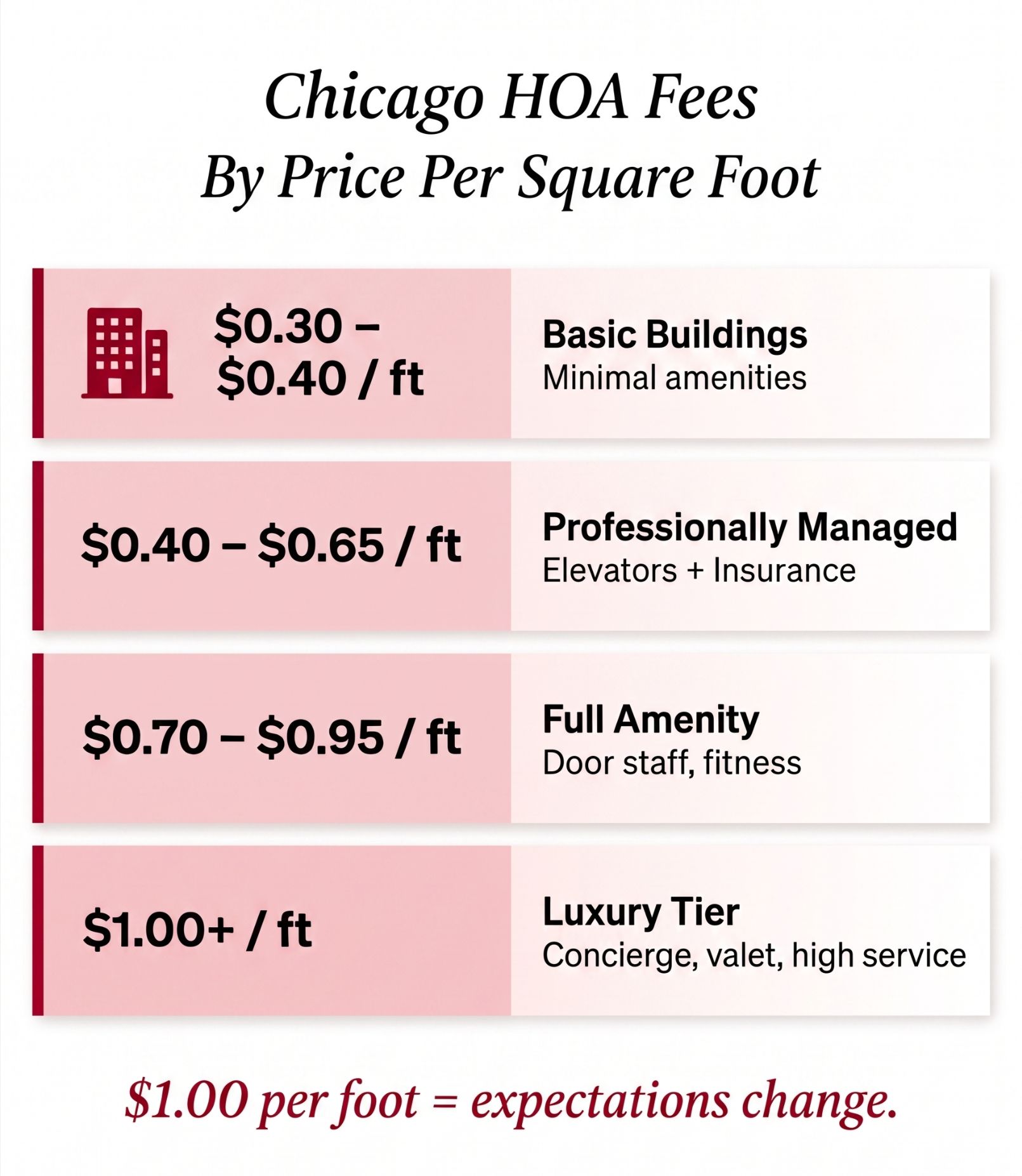
Where does that leave a seller sitting in a mid-century or vintage building today?
It leaves you with a strategic choice. At this level of financial complexity, trusting someone who doesn't understand percentage-of-ownership math, reserve allocations, or lender compliance is an expensive mistake. Using yesterday's pricing logic or hoping a buyer won't dissect the board minutes is likely to keep the market on hold.
A complex position isn't a hopeless one—it just demands real expertise. Pricing in this climate isn't about optimism; it's about total carrying-cost alignment. It means auditing the reserve study before a buyer's lender does, translating structural investments into marketable value, and positioning the asset with radical financial clarity. When a unit is framed correctly around the real numbers, buyers respond. They still want the scale, the glass, and the locations that modern construction cannot replicate.
We just released our latest market report, breaking down these exact numbers across Chicago's luxury submarkets—mapping assessment trends, real carrying costs, and where deals are actually closing.
If you're navigating a complex listing or trying to make sense of what your board's upcoming budget means for your home's valuation, let's sit down for a real conversation. No sales pitch—just the numbers, the context, and a clear path forward.

Craig Hogan & Rudy Zavala
Hogan Zavala Group | Engel & Völkers Chicago
HOGAN ZAVALA GROUP | ENGEL & VÖLKERS CHICAGO
Gold Coast | Streeterville | River North | The Loop | West Loop | Lincoln Park | Lakeview | Logan Square | South Loop | Wicker Park | Bucktown
This story is not intended for financial advice.
Categories
- All Blogs (130)
- Adaptive Reuse (2)
- Architecturally Significant (23)
- Architecture (59)
- Art (2)
- Art Collecting (2)
- Bespoke Lighting (2)
- Buena Park (1)
- buyer strategy (30)
- Career Moves (9)
- chandeliers, (1)
- Chicago HOA Fees (7)
- Chicago Luxury Real Estate (94)
- Chicago Property Taxes (4)
- closet design (2)
- Co-Ownership (3)
- Coffee (1)
- Condo Assessments (7)
- coop apartments (5)
- cooperative apartments (8)
- custom closet advice (1)
- Days on Market (16)
- Design (51)
- Fulton Market District (8)
- Gold Coast (25)
- Golden Visa Programs (10)
- Historic Homes (8)
- Hogan Zavala Group (60)
- Holiday Abroad (1)
- International Citizenship (15)
- International Real Estate (31)
- Kitchen Design (13)
- Lakeview (14)
- Legacy (3)
- LGBTQ Housing (2)
- LGBTQ+ (4)
- Lifestyle (78)
- Lighting (2)
- Lincoln Park (14)
- Loft Living (5)
- Lofts (5)
- Logan Square (4)
- loneliness & aging (2)
- Loop (2)
- Luxury Market Index (4)
- Marina Towers (4)
- Market Insights (17)
- Market Update (36)
- Mid Century (2)
- New East Side (1)
- Outdoors (5)
- Pacaso Vacation Homes (3)
- pied-à-terre (15)
- Puerto Vallarta (8)
- Puerto Vallarta Real Estate (9)
- Real Estate Agents Success (11)
- Real Estate Industry (30)
- Real Estate Legal Changes (5)
- Real Estate Transactions (7)
- ritual (4)
- River North (21)
- River West (14)
- Second Homes (9)
- Seller Strategy (28)
- Selling and Buying in Chicago (34)
- Senior Housing (2)
- Streeterville (15)
- Summer (7)
- Sustainability (7)
- Taxes (5)
- Thanksgiving Travel (1)
- The 606 (1)
- The Henrys (1)
- Travel (1)
- Trends (29)
- Trifecta (17)
- Uptown (2)
- video (1)
- video for real estate (2)
- Wellness (9)
- West Loop (9)
- Wheaton (1)
- Wicker Park | Bucktown (4)
- Wines for Summer (2)
Recent Posts









Craig Hogan | Rudy Zavala